
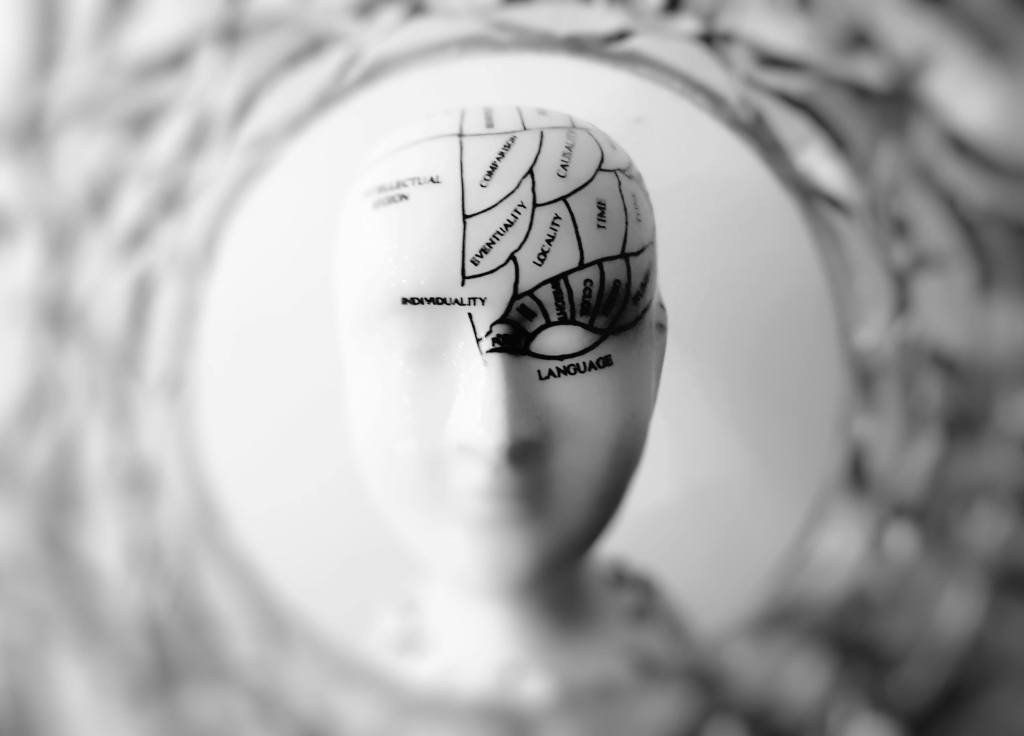
Traumatic brain injury (TBI) affects millions of individuals each year. For those seeking traumatic brain injury Sandpoint support, symptoms are often more subtle and delayed than many expect. While some injuries are severe and immediately identifiable, many are classified as mild and may not be fully recognized at the time they occur. Symptoms can appear subtle, delayed, or gradually evolving.
For individuals in North Idaho and beyond, lingering changes in focus, mood, energy, or stress tolerance are sometimes connected to a prior head injury—even one that occurred years earlier.
Understanding how brain injury affects the nervous system brings clarity. It also opens the door to thoughtful, neuroscience-informed support.

What Is a Traumatic Brain Injury?
A traumatic brain injury occurs when an external force disrupts normal brain function. This may result from:
- Falls
- Motor vehicle accidents
- Sports-related impacts
- Physical trauma
- Blast exposure
- Repetitive head injury
TBIs are typically categorized as:
- Mild (including concussion)
- Moderate
- Severe
Mild TBIs are the most common. Despite the term “mild,” symptoms can persist and meaningfully affect daily functioning.
According to the Centers for Disease Control and Prevention (CDC), TBIs are a significant public health concern in the United States, contributing to cognitive, emotional, and behavioral challenges each year.¹

Symptoms That Often Go Unrecognized
Not all brain injuries involve loss of consciousness. In fact, many do not.
Ongoing symptoms may include:
- Brain fog or slowed processing
- Difficulty concentrating
- Memory disruption
- Irritability or emotional reactivity
- Increased sensitivity to light or noise
- Sleep disturbance
- Headaches
- Fatigue
- Reduced stress tolerance
- Anxiety or low mood
Some individuals notice subtle shifts in motivation, resilience, or emotional regulation. These changes can affect work, relationships, and overall quality of life.
Because symptoms overlap with stress, burnout, ADHD, anxiety, or depression, the connection to a prior injury may not always be immediately recognized.
Why Symptoms Can Persist
The brain is adaptive, but recovery does not always follow a predictable timeline.
After injury, changes may occur within:
- Neural communication networks
- Stress response systems
- Sleep regulation pathways
- Emotional processing circuits
Research suggests that traumatic brain injury can disrupt regulatory systems within the brain, particularly those involved in executive functioning and emotional processing.²
When life stress compounds an already sensitized nervous system, symptoms may intensify. Everyday challenges can begin to feel disproportionate or overwhelming.
This pattern does not reflect weakness. It reflects strain within regulatory systems that are still recalibrating.
Recovery Is Often Gradual — and Possible
The brain maintains neuroplasticity across the lifespan. This means that change remains possible.
Many individuals experience meaningful improvement when sessions focus on both cognitive function and nervous system regulation. Progress may involve:
- Restoring healthy sleep patterns
- Supporting stress regulation
- Rebuilding cognitive flexibility
- Increasing emotional resilience
- Gradually re-engaging in cognitive and physical demands
Research in neurorehabilitation emphasizes that recovery from TBI is multifaceted and may extend beyond the acute injury phase.³
Progress is rarely linear. However, steady, structured support can make a significant difference over time.

A Brain-Based, Whole-Person Approach
Support following TBI often requires more than symptom management alone.
Effective therapeutic work may include:
- Individual counseling to address emotional and cognitive shifts
- Regulation-focused sessions
- Structured cognitive strategies
- Environmental and lifestyle adjustments
- Personalized session plans tailored to neurological presentation
Because no two brain injuries are identical, sessions are most effective when individualized and delivered within a steady, supportive environment.
For some individuals, particularly those experiencing persistent symptoms or seeking more focused progress, sessions scheduled closer together over a defined timeframe may be beneficial. Rather than spreading sessions across many months, concentrated support can create greater continuity and momentum.
This approach aligns with our Accelerated Brain Training and Destination Clinic model in Sandpoint, where individuals travel for focused, neuroscience-informed sessions in a calm, structured setting.
When to Consider Seeking Support
It may be helpful to connect with a professional if you notice:
- Ongoing brain fog months after injury
- Increased emotional reactivity
- Persistent sleep disturbance
- Difficulty meeting previous cognitive demands
- Heightened sensitivity to stress
- Strain within relationships following injury
Early support often leads to better long-term outcomes. However, even long-standing symptoms may respond positively to thoughtful, structured sessions.
Individuals searching for traumatic brain injury Sandpoint resources often benefit from early, structured consultation.
traumatic brain injury sandpoint support options
At North Idaho Neurotherapy Clinic, we provide traumatic brain injury Sandpoint support through neuroscience-informed counseling and brain-based therapeutic sessions.
While many clients are local to North Idaho, others travel from outside the region seeking focused support through our Accelerated Brain Training and Destination Clinic options.
If you are experiencing persistent symptoms following a head injury, a structured consultation can help clarify next steps. We invite you to connect with us to explore whether focused sessions in Sandpoint may be appropriate for your situation.

References
¹ Centers for Disease Control and Prevention (CDC). Traumatic Brain Injury & Concussion.
https://www.cdc.gov/traumaticbraininjury/
² McAllister, T.W. Neurobiological consequences of traumatic brain injury. Dialogues in Clinical Neuroscience.
https://www.ncbi.nlm.nih.gov/pmc/articles/PMC3182005/
³ National Institute of Neurological Disorders and Stroke (NINDS). Traumatic Brain Injury Information Page.
https://www.ninds.nih.gov/health-information/disorders/traumatic-brain-injury