

For many years, scientists believed that once we reached adulthood, the brain’s ability to change was fairly limited. We now have a much better understanding of how the brain works. We know that it continues to adapt throughout our lives, responding to our experiences, what we learn and even the behaviors we repeat regularly.
This ability for our brains to change is known as neuroplasticity, and it’s an important part of how we learn, develop new skills and adjust to different circumstances. It also plays a role in how the brain responds to injury. However, the extent of recovery varies considerably depending on the individual and the nature of the injury.
What’s particularly interesting is that neuroplasticity doesn’t stop at a certain age. While the brain changes as we get older, it retains some capacity to adapt, which has important implications for learning, memory and cognitive health throughout adulthood.
So, when we talk about whether it’s possible to rewire your brain, we’re really looking at how neuroplasticity works, what influences it and what we can do to support our brain health.

In This Article, we'll look at:
• What it means to rewire your brain and how neuroplasticity works
• Whether you can rewire your brain as you get older
• How our experiences and habits influence brain connections
• What helps support neuroplasticity
• How brain training relates to neuroplasticity
What Does It Mean to Rewire Your Brain?
We don’t wake up with the same emotional capacity every day.
A difficult week at work, poor sleep, relationship worries, financial pressure, parenting demands or simply having too much to do can leave us with less patience than usual.
When we talk about rewiring the brain, we’re describing its ability to change the way nerve cells communicate and how different areas of the brain work together. The term is a useful way of explaining neuroplasticity, although the process itself is considerably more complex than simply replacing old connections with new ones.
Our brains contain billions of nerve cells called neurons, which communicate through networks of connections. These networks play a role in almost everything we do, including learning, movement, memory and decision-making.
As we gain new experiences and practice different skills, the strength and organization of some of these connections can change. Certain pathways become more efficient through repeated use, while others may become less active over time.
You can see an everyday example of this when someone learns to drive. Initially, there’s an enormous amount to concentrate on, and even relatively simple maneuvers require considerable thought. With experience, many of those actions become familiar, allowing the driver to manage several tasks with much less conscious effort.
The brain hasn’t simply memorized a set of instructions. Learning and practice have influenced how the relevant networks function, making those skills easier to perform.
Neuroplasticity is also involved in adapting to changes in our environment and, in some circumstances, reorganizing brain activity following injury. However, the brain’s capacity to adapt depends on many factors, and not all changes lead to complete recovery or improved function.
Research into neuroplasticity and the brain’s ability to adapt has helped us understand how learning, experience and our environment can influence brain connections throughout life.

Can You Rewire Your Brain as You Get Older?
One of the most encouraging findings from neuroscience is that the adult brain retains the ability to change.
Although childhood is a particularly important period for brain development, neuroplasticity continues throughout adulthood and into later life.
The way we learn and adapt does change with age. Some forms of learning may take longer as we age, and the brain may respond differently to new experiences. However, getting older doesn’t mean that learning new skills or strengthening existing abilities is no longer possible.
This is particularly relevant for people who are concerned about changes in their memory or concentration. It’s common to become more aware of these things as we get older, especially when we’re managing demanding jobs, family responsibilities or ongoing stress.
Not every difficulty with memory or attention is related to aging, though. Poor sleep, stress, medication effects and various health conditions can all influence cognitive performance, sometimes significantly.
Understanding how we can rewire our brains as we age is encouraging, although neuroplasticity doesn’t mean that every cognitive difficulty can be reversed. The National Institute on Aging offers further guidance on maintaining cognitive health, including the importance of physical activity, mental stimulation and looking after our general health.
How Do Our Experiences and Habits Influence the Brain?
The brain is continually responding to the information it receives and the demands placed upon it. Experiences that occur repeatedly can influence the strength of connections between neurons, helping certain patterns of activity become more established.
This is one reason practice is so important when we’re learning something unfamiliar. Repeating a skill gives the brain further opportunities to refine the networks involved, although the quality of practice, feedback and rest also make a difference.
The same principle can apply to habits and familiar responses. Behaviors we’ve repeated for years can become increasingly automatic, which helps explain why changing an established habit often requires more than simply deciding to do things differently.
It’s also important to understand that neuroplasticity isn’t always beneficial. The brain can adapt to prolonged stress and difficult experiences in ways that may contribute to unhelpful patterns of thinking, behavior or emotional responses.
In our recent article about emotional regulation, we discussed how stress can influence the way we respond to everyday situations. Neuroplasticity is relevant here because learning and repeated experiences can influence the brain networks involved in our emotional responses.
However, changing those patterns is rarely straightforward, particularly when someone is dealing with ongoing stress, trauma or other health concerns. Professional support may be helpful depending on the circumstances.
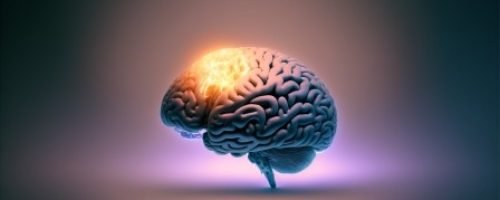
What Can Help Support Neuroplasticity?
There’s considerable interest in activities that may support neuroplasticity, particularly as more people look for ways to maintain their memory, concentration and cognitive health as they age.
While there’s no single activity that guarantees improvements in brain function, several aspects of everyday life are associated with healthier cognitive functioning and the processes involved in learning and adaptation.
Learning and Mental Stimulation
Continuing to learn throughout adulthood gives the brain opportunities to develop and refine skills. This might involve formal education, learning something practical or spending time on an activity that requires concentration and practice.
What’s important is finding activities that challenge you and give you opportunities to develop your skills. Learning something unfamiliar can be particularly valuable, although even improving a skill you already have can keep your brain engaged.
Physical Activity
Regular physical activity is one of the better-supported ways to look after brain health. Exercise benefits cardiovascular health and is associated with improvements in several aspects of cognitive functioning, including attention and memory.
Research also suggests that regular exercise may support how the brain learns and adapts. However, we’re still learning exactly how these processes work. A 2024 review of exercise, cognition and brain health explores these findings in more detail.
The good news is that supporting brain health doesn’t necessarily require an intensive exercise program. Walking, swimming, cycling and other forms of movement can all contribute to an active lifestyle.
Sleep and Recovery
Sleep plays an important role in learning and memory. During sleep, the brain is involved in processing and consolidating information, helping to strengthen some of what we’ve learned during the day.
Poor sleep can make it more difficult to concentrate, retain new information and manage everyday demands. When sleep difficulties become persistent, they can affect several aspects of cognitive and emotional functioning.
This is why recovery deserves as much attention as the activities we undertake to challenge the brain. Continually pushing ourselves when we’re exhausted isn’t necessarily helpful for learning or performance.
Managing Ongoing Stress
Stress is another important consideration, particularly when it becomes persistent and recovery opportunities are limited.
The relationship between stress and neuroplasticity is complex. Some forms of short-term challenge can support learning and adaptation, while prolonged or severe stress may have less helpful effects on brain function.
For someone already struggling with concentration, sleep or emotional regulation, addressing ongoing sources of stress may be an important part of supporting their overall cognitive health. Counseling can help people understand their responses and work through difficult experiences. It can also help them develop healthier ways of managing stress.
At North Idaho Neurotherapy, we recognize that looking after brain health involves understanding both what’s happening in the brain and what someone is experiencing in their everyday life.

How Does Brain Training Relate to Neuroplasticity?
Alongside everyday activities that support brain health, there are more structured approaches that aim to help people develop particular skills or patterns of functioning.
Brain training is one of these, although the term covers several different approaches. Some programs involve practicing memory or attention exercises, while others use technology to provide feedback about brain activity.
One approach used at North Idaho Neurotherapy is neurofeedback, which measures certain patterns of brain activity and provides feedback during training sessions. The aim is to help individuals learn to influence those patterns through repeated practice.
During training, feedback is provided through visual or auditory cues, allowing the person to respond to changes in their brain activity as the session progresses.
At North Idaho Neurotherapy, brain training is one part of a broader approach to supporting brain health. We also offer QEEG brain mapping to examine patterns of brain activity. Our counseling services provide support for people experiencing stress and emotional difficulties.
These services offer different ways of understanding and supporting someone’s needs, recognizing that our brain health is influenced by both our neurological functioning and our everyday experiences.
Understanding What Your Brain Is Capable Of
Understanding neuroplasticity gives us a different way of thinking about brain health. While we can’t control every change that happens in the brain, we can make choices that support learning, cognitive health and overall well-being throughout our lives.
At North Idaho Neurotherapy, we know that difficulties with memory, concentration or emotional well-being don’t always have a straightforward explanation. That’s why we take time to understand the person behind the symptoms and consider the different factors that may be contributing.
Whether you’re interested in QEEG brain mapping, exploring brain training or looking for counseling support, we’re here to help you understand what options may be appropriate for your circumstances.
If something has been concerning you, we’d welcome the opportunity to talk it through with you.