
Sleep and Brain Recovery: Why Quality Sleep Matters

Quality sleep is one of the brain’s most important recovery processes. Discover how sleep supports memory, emotional wellbeing, brain function, and overall health.
Burnout Recovery: How Brain-Based Care Can Help High Performers

Burnout recovery is about more than taking a break. Learn how QEEG brain mapping, neurotherapy, and personalized care may help restore brain function after prolonged stress.
Decision Fatigue and Cognitive Overload: Why Everything Suddenly Feels Overwhelming

When prolonged stress overwhelms the brain, even simple decisions can become exhausting. Learn why decision fatigue happens, how cognitive overload affects thinking, and practical ways to support recovery.
Burnout and the Brain: Why You’re Mentally Exhausted

Burnout is more than feeling tired. Learn how prolonged stress affects the brain, why mental exhaustion impacts memory and concentration, and how understanding brain function can support recovery.
How Anxiety Affects the Body

How does anxiety affect the body? Anxiety can influence sleep, digestion, muscle tension, breathing, energy levels, and concentration. Learn why physical symptoms of anxiety occur, how the nervous system responds to stress, and why understanding these patterns can provide valuable insight into overall wellbeing.
Why Anxiety Is Hard to Control

Many people know they are safe, yet anxiety continues to affect their thoughts, emotions, and physical wellbeing. Learn why anxiety is hard to control, how the nervous system influences stress responses, and why regulation may play an important role in supporting emotional wellbeing.
Why Some People Travel for Focused ADHD and Brain Performance Support

Discover why some adults seek focused ADHD and brain performance support through immersive approaches that address attention, cognitive load, and mental clarity.
Why Is It So Hard to Focus With ADHD?
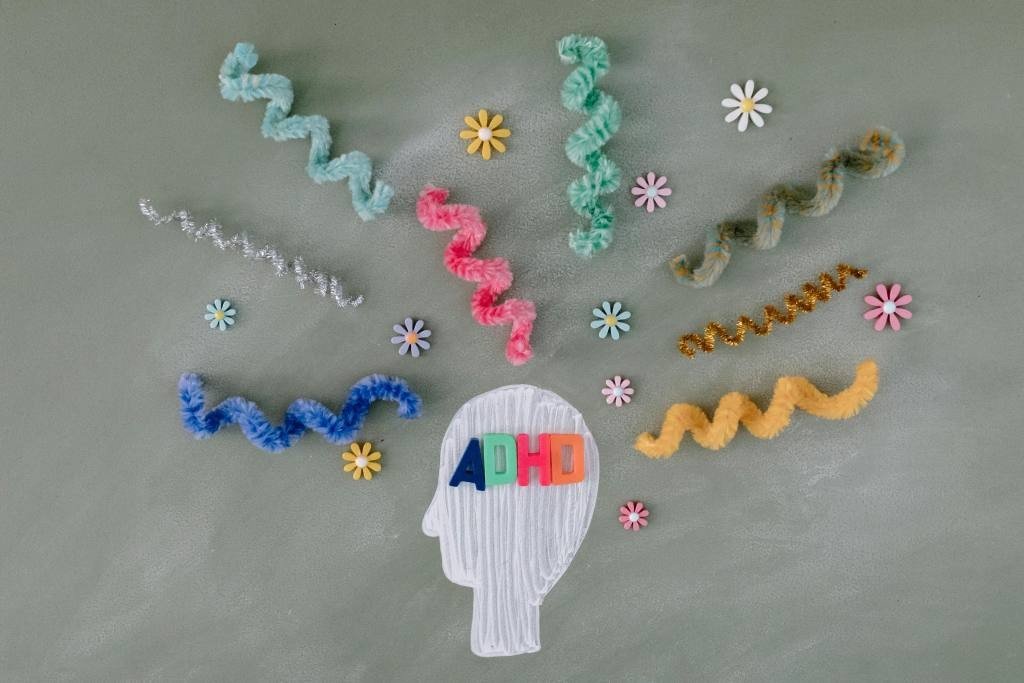
ADHD is not simply a lack of attention. Learn why focus can feel inconsistent and how brain regulation influences attention and mental performance.
Brain Optimization for Mental Clarity

Struggling with brain fog or reduced focus? Learn how brain optimization can support mental clarity, cognitive performance, and consistent thinking.
The Nervous System’s Role in Communication, Conflict, and Connection
The nervous system plays a central role in how we communicate, respond to conflict, and experience connection in relationships. This article explores why reactions can escalate under stress and how counseling in Sandpoint can support healthier, more regulated interactions.